Recent Advances in Lung Health
-
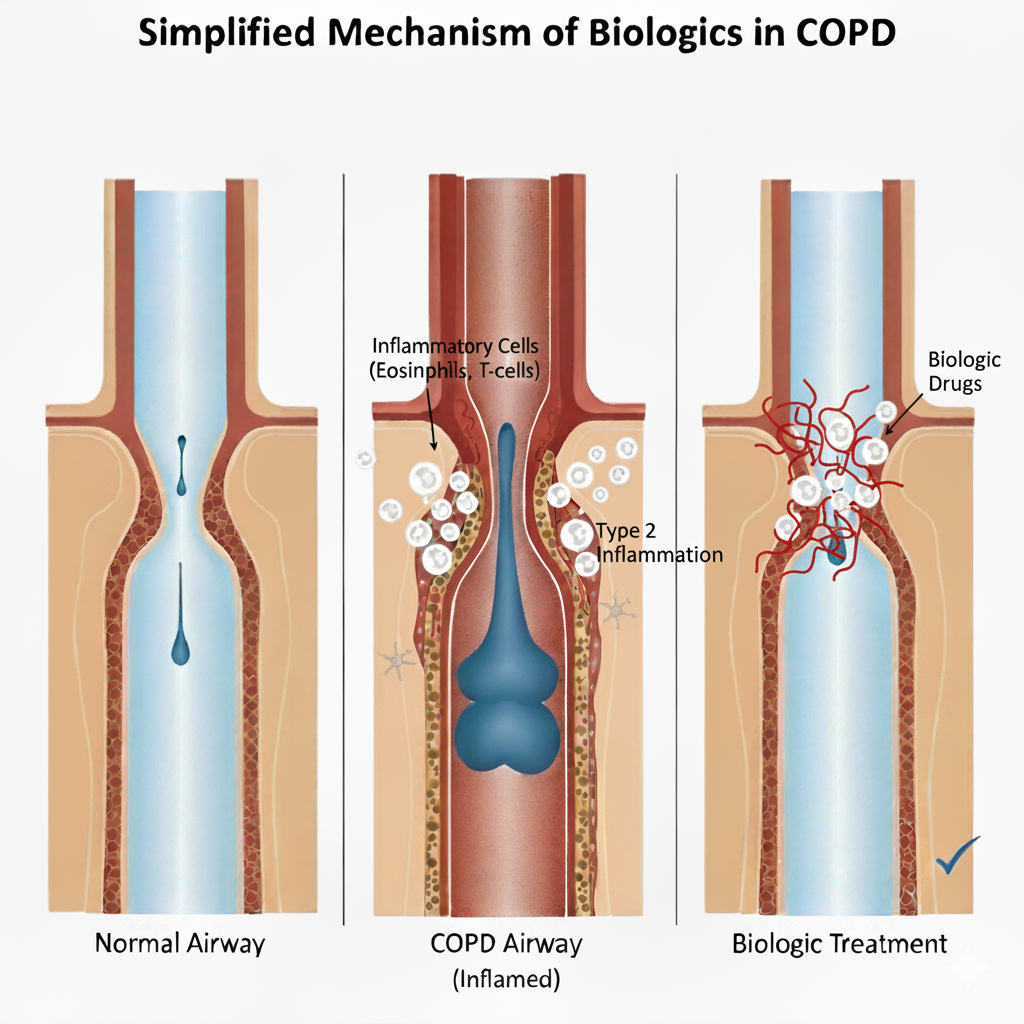
Biologic dupilumab (Dupixent), developed by Regeneron and Sanofi, is currently being appraised by NICE.
PDE-4 inhibitor roflumilast (Daxas) was approved by NICE in 2017 as an additional treatment for people with severe COPD.
-
Effectiveness and safety of AstraZeneca’s tezepelumab is being tested in adults with moderate to very severe COPD.
Biologics and phosphodiesterase (PDE)-3/4 inhibitors in treatment of COPD
1. Biologics in COPD
What they target: Biologics like dupilumab block specific immune pathways, e.g. interleukin-4 (IL-4) and interleukin-13 (IL-13), which drive airway inflammation in certain types of COPD.
How they help:
Reduce airway swelling and mucus production
Lower the risk of flare-ups (exacerbations)
Improve lung function and breathing
Who benefits most: People with COPD who have eosinophilic or type-2 inflammation (high levels of certain white blood cells).
2. PDE-3 and PDE-4 Inhibitors
What they target: PDE-3 and PDE-4 are enzymes in lung cells.
How they help:
PDE-3 inhibition → relaxes airway muscles → bronchodilation → easier breathing.
PDE-4 inhibition → reduces airway inflammation → fewer flare-ups.
-
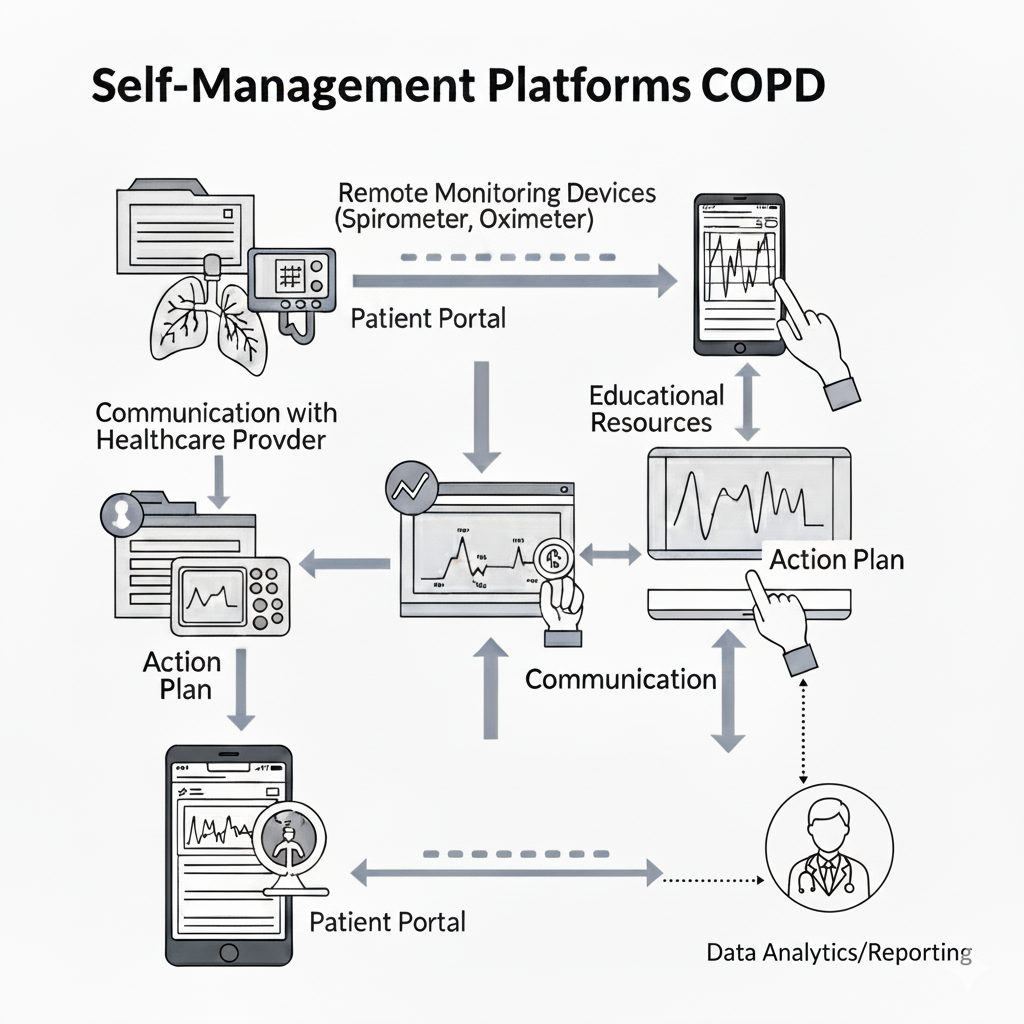
Clinitouch
COPDhub
Luscii
myCOPD have been approved by NICE.
Digital Technologies in COPD
Telehealth & Remote Care
Virtual visits, symptom check-ins, and digital coaching enhance access for COPD patients with mobility or location barriers.
Remote Monitoring & Wearables
Smart inhalers, spirometers, and wearables track oxygen, inhaler use, and activity in real time for early, personalised care.
Mobile Apps & Self-Management
Apps support symptom management, inhaler use, and adherence.
-
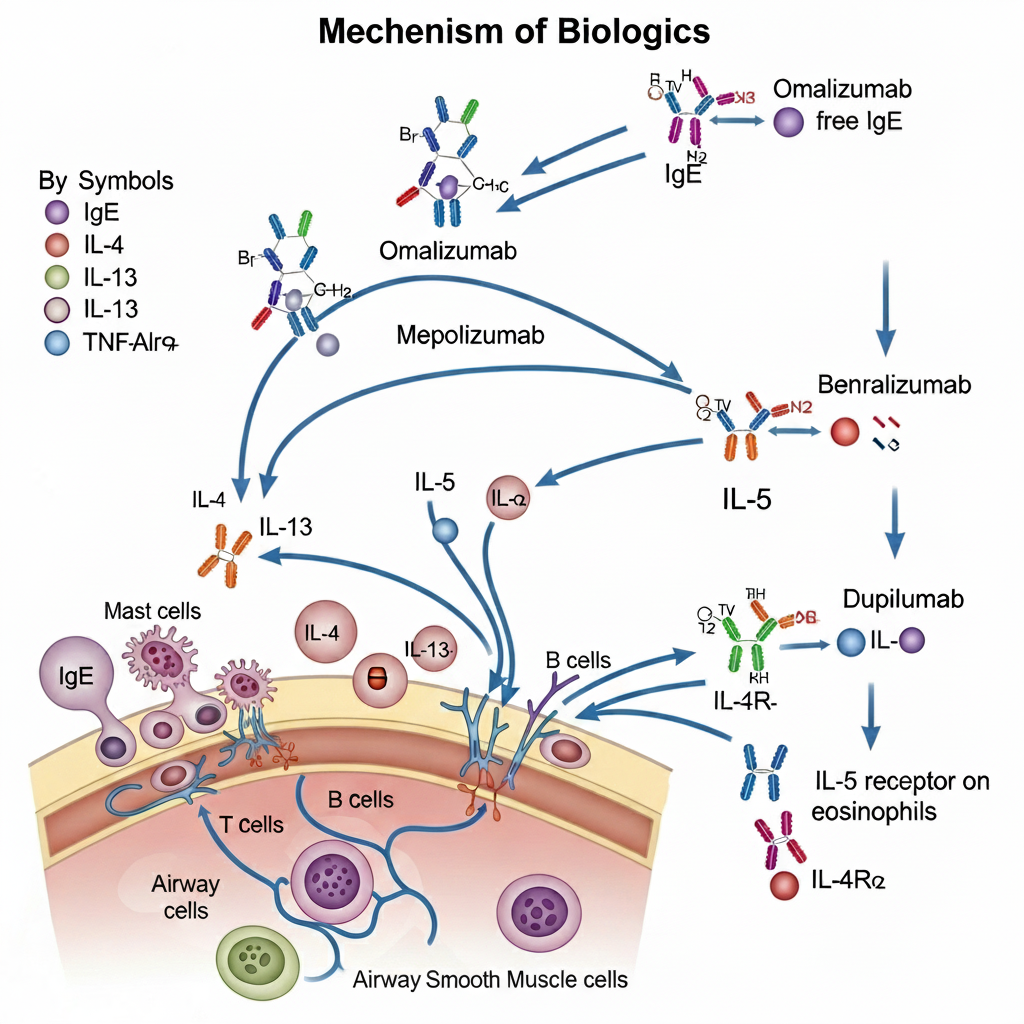
Tezepelumab (Tezspire), mepolizumab (Nucala), dupilumab (Dupixent), benralizumab (Fasenra) and reslizumab (Cinqaero) have received approval from NICE, marking a significant advancement in the treatment of severe asthma and other inflammatory conditions.
-
Biologics in treatment of asthma
Asthma and inflammation: In some types of asthma, the immune system overreacts, causing inflammation, swelling, and extra mucus in the airways. This makes breathing harder and increases the risk of asthma attacks.
What biologics do:
Biologic medicines are special targeted treatments. Instead of working on the whole immune system like steroids, they block specific “chemical messengers” that cause airway inflammation.
How they help:
Reduce airway swelling and mucus
Lower the chance of severe asthma attacks
Improve breathing and quality of life
Often allow patients to reduce steroid use
Biologics are usually offered to people with moderate to severe asthma who still get symptoms or flare-ups despite using inhalers.
-
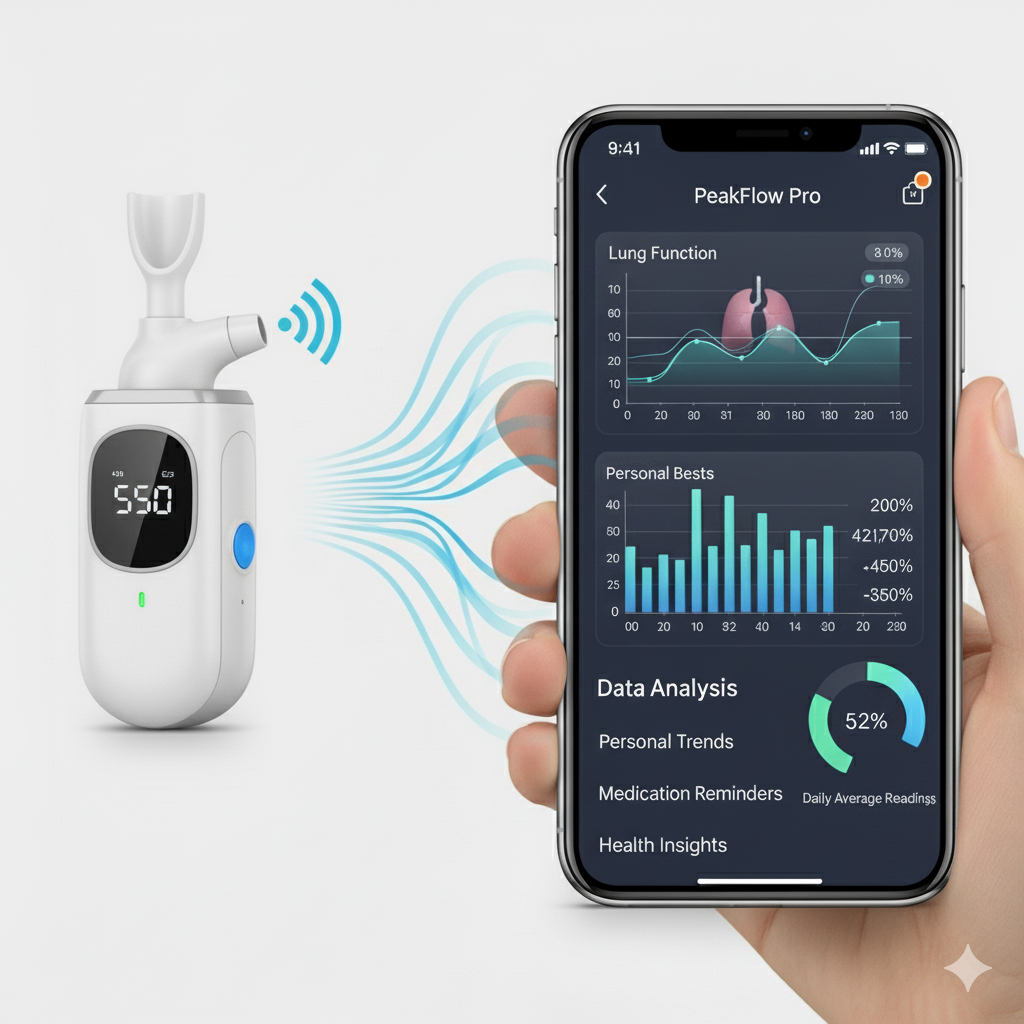
Smart Peak Flow has been appraised by NICE.
Smart Peak Flow
A small, portable device that connects to your smartphone.
What it does: Measures how fast you can blow air out of your lungs — called your peak expiratory flow (PEF).
How it works:
You blow into the device as hard and fast as you can.
The device measures your lung strength and sends the result to a smartphone app.
The app tracks your readings over time, shows trends, and can warn you if your asthma is worsening.
Why it helps:
Lets you monitor your asthma at home
Detects early changes before you feel symptoms
Data can be shared with your doctor for better care
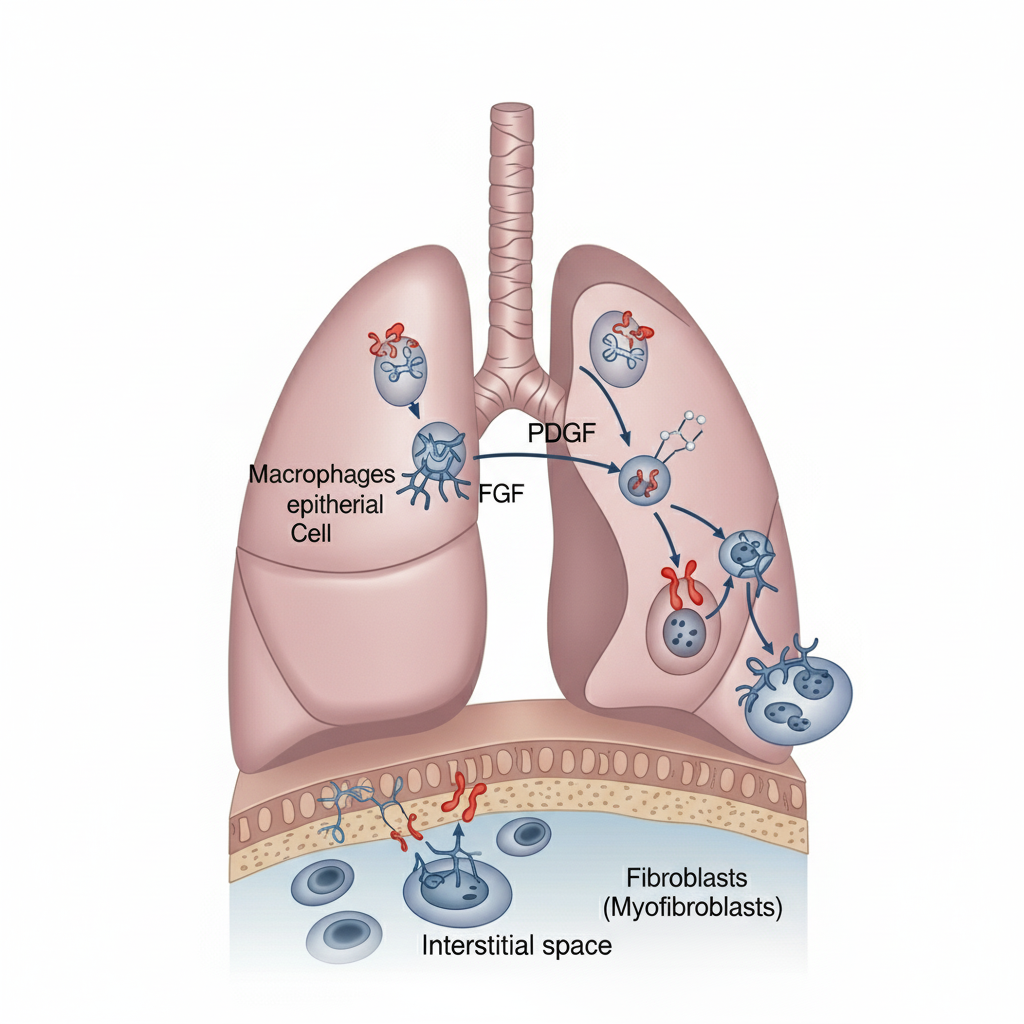
Antifibrotics in treatment of pulmonary fibrosis
-
Nintedanib (Ofev) and pirfenidone (Esbriet) have been approved by NICE as an option in treatment of idiopathic pulmonary fibrosis.
-
A phase 3 clinical trial, sponsored by Bristol-Myers Squibb, is evaluating the safety and effectiveness of BMS-986278 (also known as admilparant) in progressive pulmonary fibrosis.
In pulmonary fibrosis, the lungs become scarred (fibrosis), making it harder to breathe and for oxygen to get into the blood.
Antifibrotic medicines — like nintedanib and pirfenidone — don’t cure the disease or reverse existing scarring, but they slow down the build-up of new scar tissue in the lungs.
This helps to:
Slow disease progression
Preserve lung function for longer
Potentially reduce flare-ups and hospital admissions
They work by blocking chemical signals in the body that cause scarring and inflammation.