Recent Advances in Heart and Blood Vessel Health
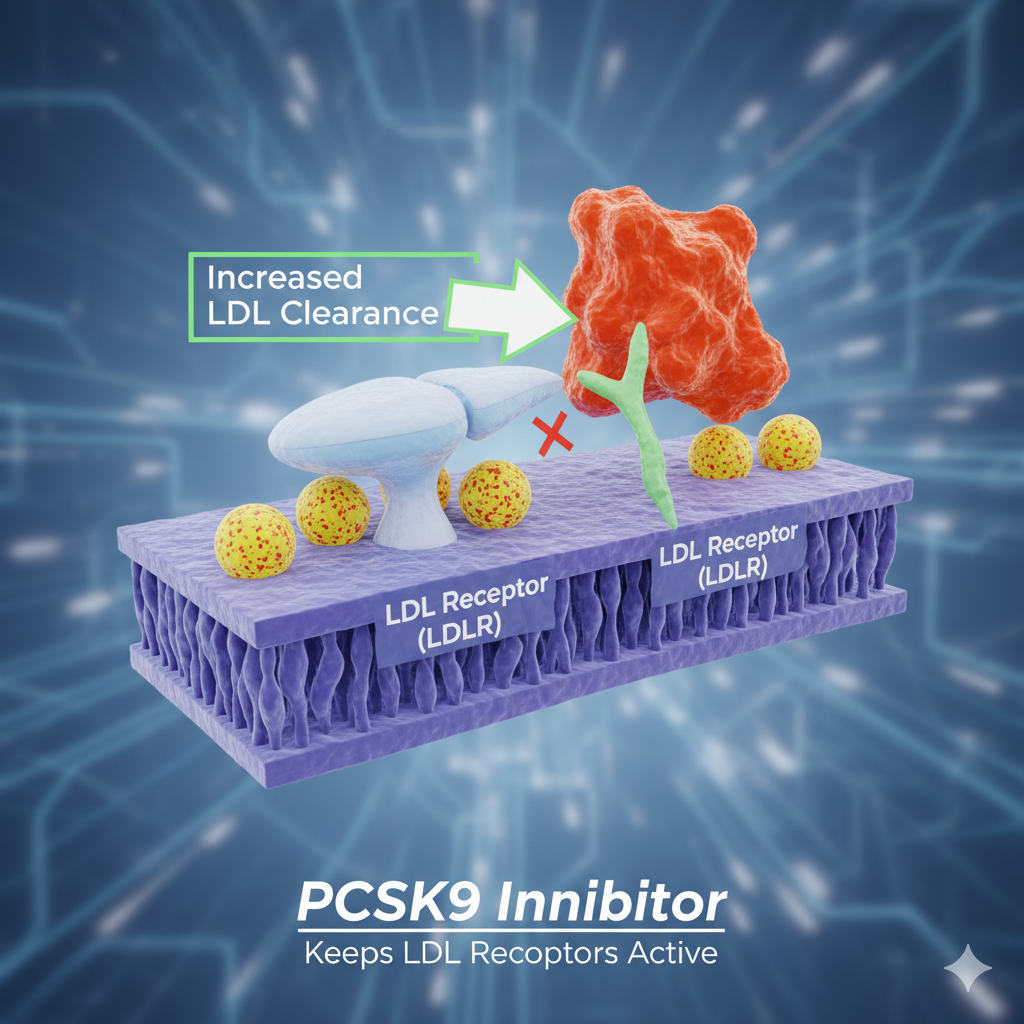
PCSK9 Inhibitors - to reduce “bad” cholesterol
-
PCSK9 inhibitors such as evolocumab (Repatha) and alirocumab (Praluent) were approved by NICE in 2016. Inclisiran (Leqvio) was approved by NICE in 2021. These medications are given by injections.
-
Merck’s enlicitide (MK-0616) has recently completed and AstraZeneca’s AZD0780 has advanced to phase 3 clinical trials, marking a significant step forward in their development process.
PCSK9 is a type of protein in your body that breaks down LDL receptors.
LDL receptors are found on the surface of your cells, especially in the liver.
These receptors act like “catchers” — they grab onto LDL cholesterol (the “bad” cholesterol) and carry it into the liver, where it’s broken down and removed from your body.
PCSK9 inhibitors are medicines that block the PCSK9 protein.
When PCSK9 is blocked, more LDL receptors stay active.
This means your liver can remove more LDL cholesterol from your blood, helping lower your cholesterol levels more effectively.
-
Finerenone (Kerendia) is available on the NHS. It’s a possible treatment for stage 3 and 4 chronic kidney disease (with albuminuria) in adults with type 2 diabetes.
-
Vicadrostat, developed by Boehringer Ingelheim, and baxdrostat, developed by AstraZeneca, are currently undergoing evaluation in phase 3 clinical trials.
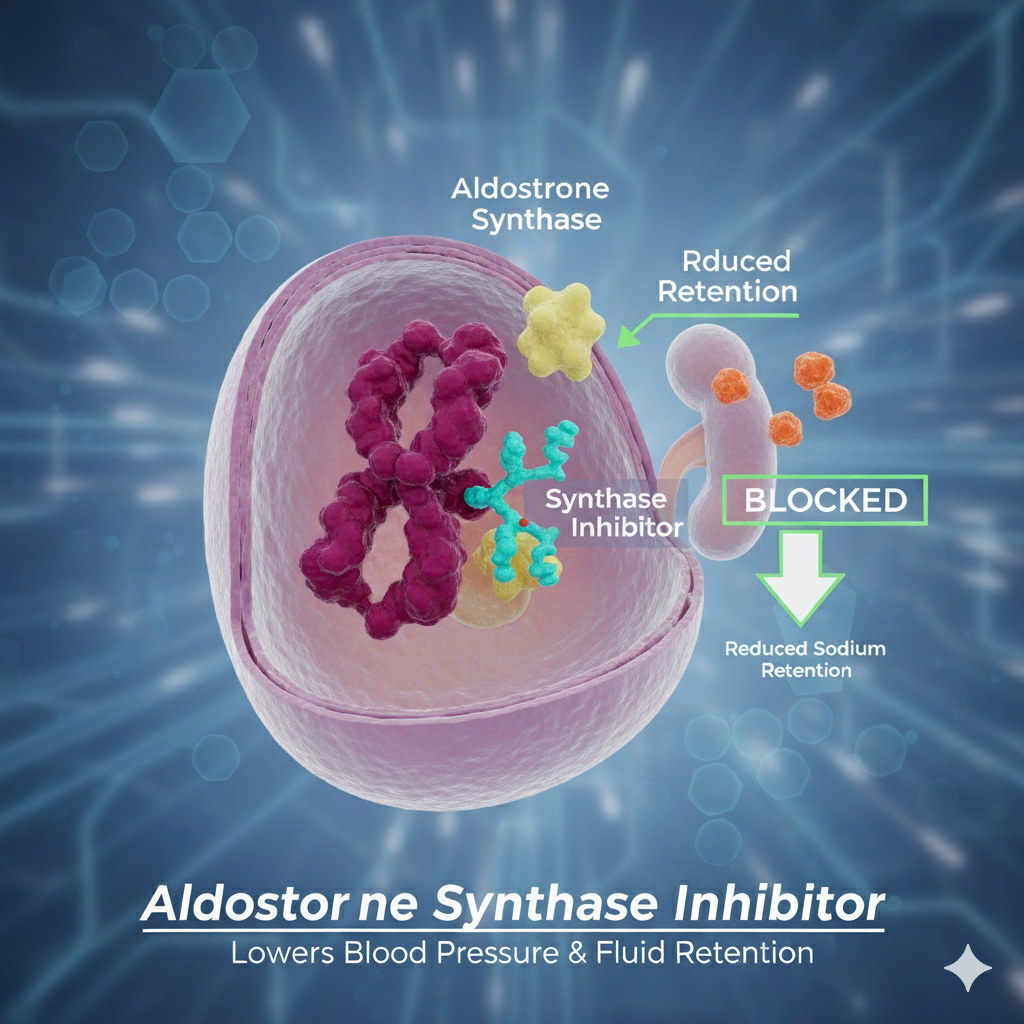
Aldosterone Synthase Inhibitors - to reduce blood pressure and stress on the heart and kidneys
Aldosterone is a hormone made by your adrenal glands (small glands on top of your kidneys).
Its main job is to help control your blood pressure by telling your kidneys to hold on to salt and water and get rid of potassium.
Too much aldosterone can lead to high blood pressure, heart strain, and sometimes kidney problems.
Aldosterone synthase inhibitors are medicines that block an enzyme your body needs to make aldosterone.
With less aldosterone, your body releases more salt and water in the urine.
This helps lower blood pressure and reduce stress on the heart and kidneys.
Irregular Heart Rhythm Detecting Devices
-
KardiaMobile has been approved by NICE in 2023 for detecting atrial fibrillation.
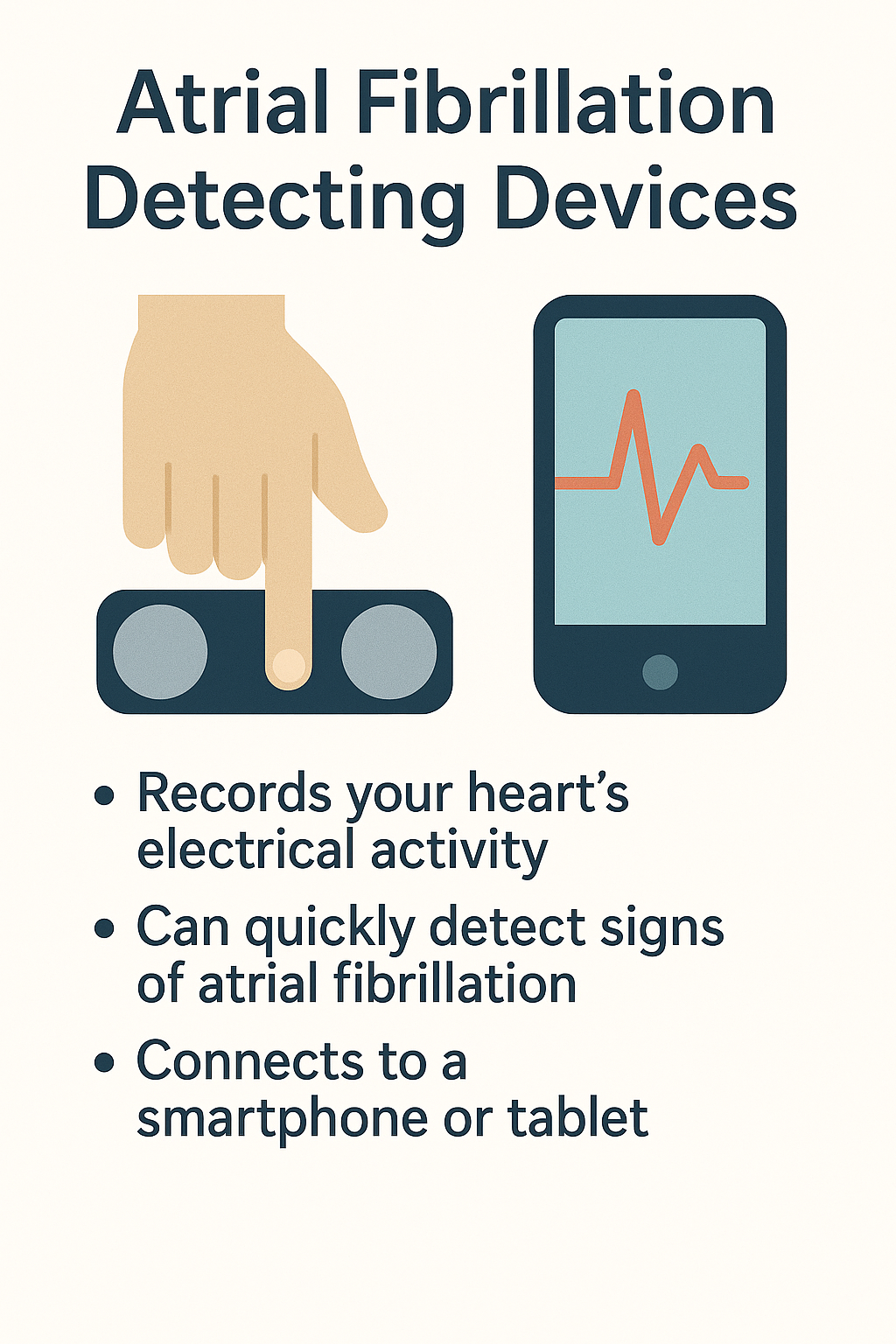
Irregular heart rhythm (atrial fibrillation, AF) devices are small monitors that record real-time ECG.
How they work:
Place fingers on electrodes for 30 seconds
Connect via app to smartphone/tablet
Detect signs of AF
Benefits:
Early AF detection helps prevent stroke
Enables at-home monitoring, reducing hospital visits
Portable, wire-free, easy to use
ECG results can be shared with doctors directly
Smart Heart Monitoring Devices

-
NICE has said that HeartLogic and TriageHF can be used for algorithm-based remote monitoring in people with cardiac implantable electronic devices (CIEDs) who have heart failure.
Some heart failure patients have implantable devices (pacemakers/defibrillators) with advanced monitoring. These track heart rate, rhythm, breathing, fluid in the chest, activity, and sleep. Smart algorithms analyze the data and alert doctors if worsening signs appear. This helps spot issues early, aiding faster, better care and keeping patients healthier and out of hospital.