Recent Advances in Ear Nose and Throat Health
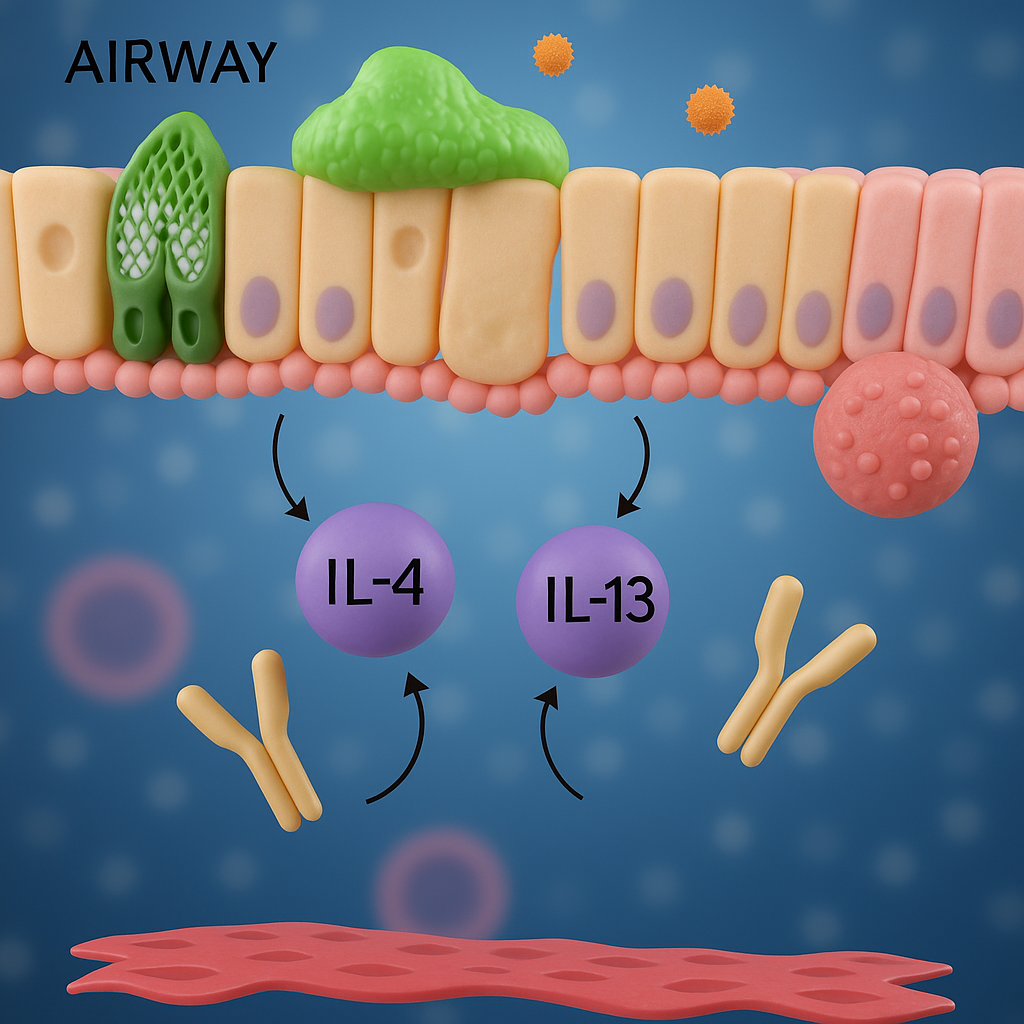
Biologics - in treatment of chronic rhinosinusitis with nasal polyps
In chronic rhinosinusitis with nasal polyps, the immune system sends out too many signals that cause swelling and growths in the nose. Biologic medicines work by blocking these specific signals (such as IL-4, IL-5, or IL-13) rather than calming the whole immune system. This reduces inflammation, shrinks the polyps, eases congestion, and helps people breathe better.
-
Appraisals by NICE on use of dupilumab and tezepelumab in chronic rhinosinusitis with nasal polyps are currently under development.
-
Itepekimab (by Sanofi) and lebrikizumab (by Eli Lilly) are in phase 3 trials to test their safety and effectiveness for treating chronic rhinosinusitis with nasal polyps in patients not helped enough by nasal steroid sprays.
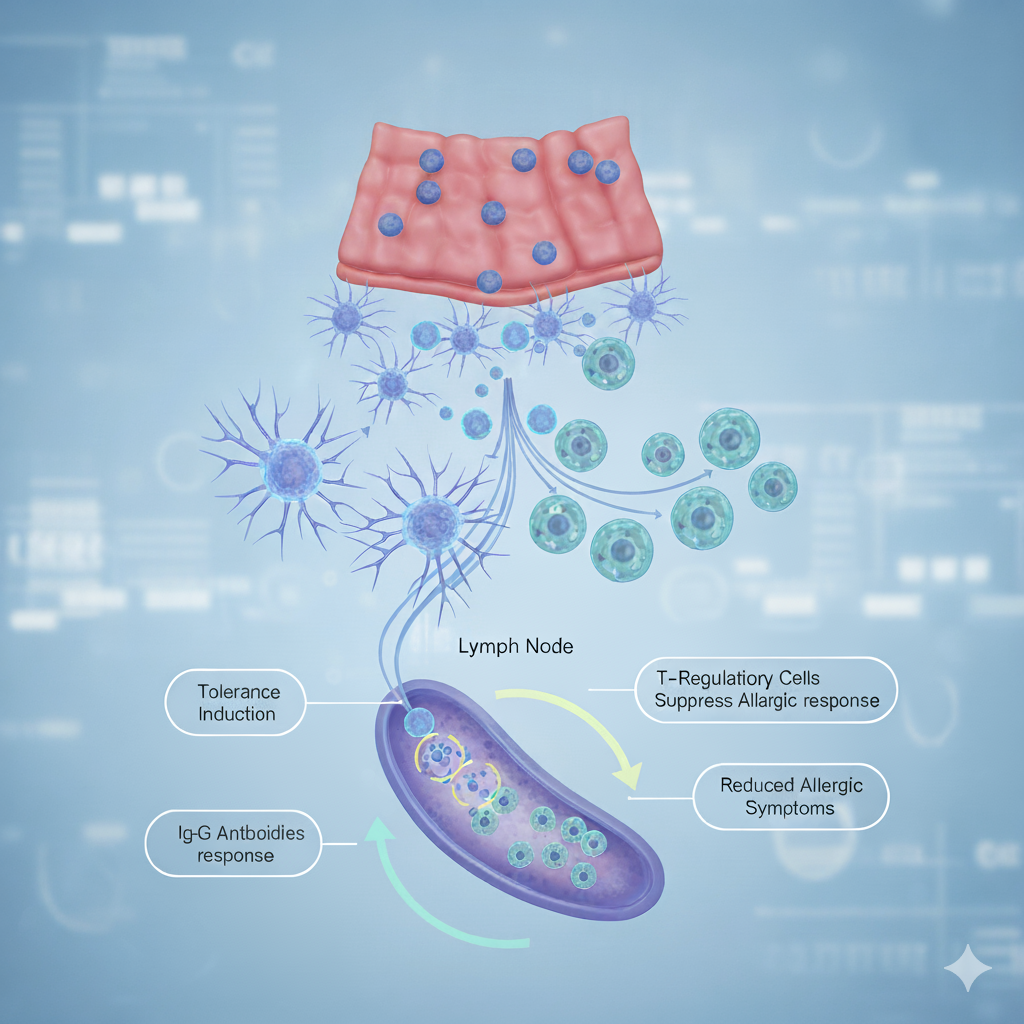
Immunotherapy - in treatment of allergic rhinitis (allergy due to pollen, house dust mite or grass)
Sublingual immunotherapy (SLIT) is a treatment for allergic rhinitis where small doses of the allergen are placed under the tongue as tablets or drops. Over time, this ‘trains’ the immune system to become less sensitive, so the body reacts less strongly to things like pollen, dust, or pet dander. The goal is long-term relief and fewer symptoms, not just quick fixes.
-
1) Itulazax 12 SQ-Bet, developed by Alk‑Abelló, is recommended by NICE in adults and children (5 years or older) for the treatment of moderate-to-severe allergic rhinitis and/or conjunctivitis induced by pollen from trees in the birch allergy group pollen.
2) Acarizax SQ-HDM SLIT, developed by Alk‑Abelló, is recommended by NICE as an option for treating moderate to severe house dust mite allergic rhinitis in people 12 to 65 years.
Both are known as SLIT (sublingual immunotherapy) as they are taken under the tongue.
WP1048 for treating grass pollen allergy and STG320 for treating allergic rhinitis or rhinoconjunctivitis caused by house dust mites are currently awaiting appraisals by NICE.